Popular
How to Build the Perfect Oral Care Routine in 2025
Jul 30
Why Your Gums Bleed and How to Fix It Fast in 2025
Jul 30
Top 5 Oral Care Mistakes and How BrushO Fixes Them
Jul 29
What Makes a Toothbrush “Smart”?
Jul 22
BrushO Smart Toothbrush: Gentle, Powerful, Travel-Friendly
Jul 19
BrushO: The Future of Smart Oral Care—Redefining the Way You Brush
Jul 17
Back
Plaque vs. Tartar: What’s the Difference? Aug 26
Aug 26
Plaque vs. tartar: what’s the difference?
Many people confuse the two, but understanding them is key to oral health. Plaque is a soft, sticky film of bacteria that forms daily, while tartar is hardened plaque that can only be removed by a dentist. In this article, we’ll explain how both develop, why they’re harmful, and how using smart electric toothbrushes like BrushO can help you control plaque before it becomes tartar.
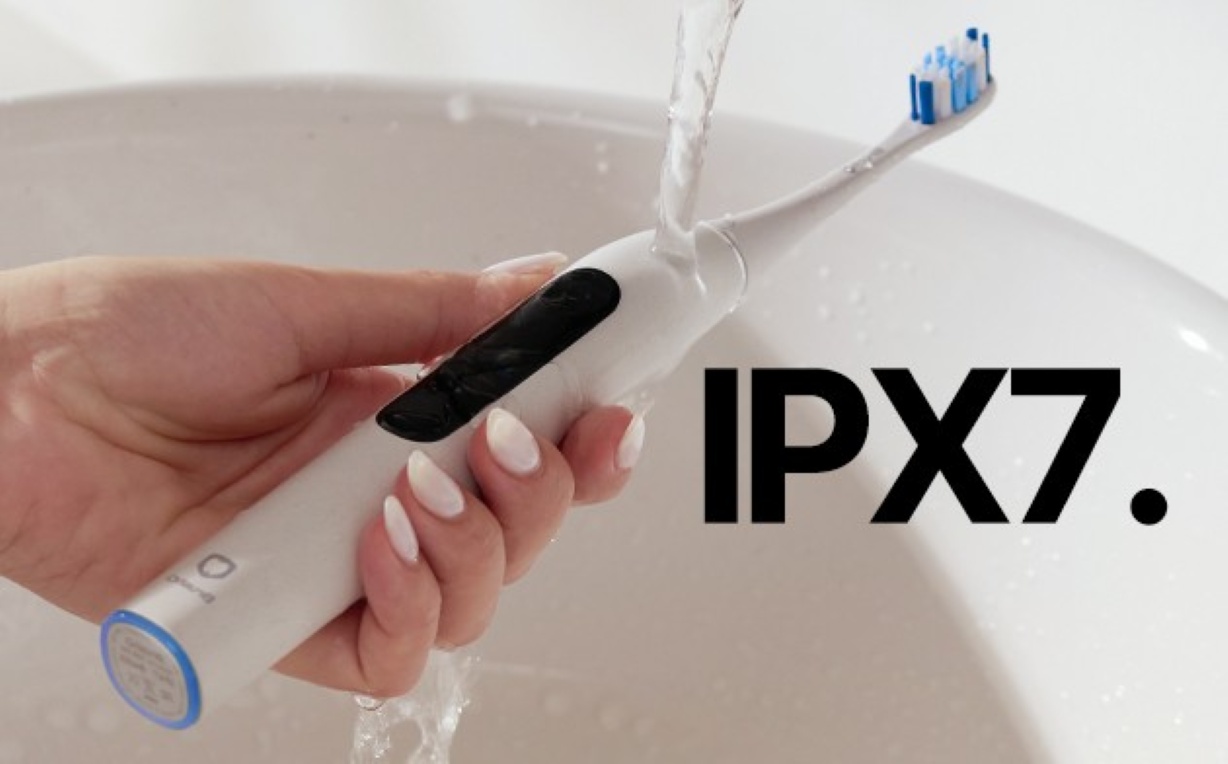
What Is Plaque?
Plaque is a colorless, sticky biofilm that constantly forms on teeth and along the gumline. Made up of bacteria, food particles, and saliva, plaque is soft enough to be removed by brushing and flossing. However, when ignored, it produces acids that:
- Attack enamel and cause cavities
- Irritate gums, leading to gingivitis
- Create bad breath and discomfort
Plaque is essentially the “first stage” of dental problems—manageable if treated daily.
What Is Tartar?
Tartar (also called calculus) is hardened plaque that forms when plaque isn’t removed in time. Minerals in saliva cause it to solidify, usually within 24–72 hours. Once hardened, tartar is:
- Yellow or brown in color
- Rough in texture, making teeth harder to clean
- A major contributor to gum disease and tooth decay
Unlike plaque, tartar cannot be brushed away at home. It requires professional cleaning by a dentist or hygienist.
Plaque vs. Tartar: Key Differences
Feature Plaque 🦠 Tartar 🪨
Texture Soft, sticky film Hard, rough buildup
Color Invisible or pale Yellow/brown, visible
Removal Brushing & flossing daily Only by dentist
Health Risk Cavities, gum irritation Gum disease, tooth loss
How to Prevent Plaque from Becoming Tartar
The best way to control tartar is by never letting plaque harden in the first place. Daily habits include:
- Brushing twice a day with a fluoride toothpaste
- Flossing to remove buildup between teeth
- Rinsing with antibacterial mouthwash
- Limiting sugary or starchy foods
- Scheduling dental cleanings twice a year
Why BrushO Is Effective Against Plaque
The BrushO AI-Powered Toothbrush is designed to fight plaque before it turns into tartar:
- High-frequency cleaning power removes biofilm more effectively than manual brushing.
- AI brushing feedback 📱 helps you cover all zones, leaving no hidden plaque behind.
- Pressure sensors 🚦 protect enamel and gums while ensuring thorough cleaning.
- Three replaceable brush heads 🔄 (included per set) provide optimal plaque control for every user.
By using BrushO consistently, you can stop plaque from becoming tartar—and avoid costly dental treatments.
Final Thoughts
So, plaque vs. tartar—what’s the difference?
Plaque is soft and removable with daily brushing, while tartar is hardened, damaging, and requires professional cleaning. The solution? Prevent plaque buildup with the right tools.
👉 With the BrushO AI-Powered Toothbrush, you can protect your teeth daily, stop plaque in its tracks, and keep your smile healthy and bright.
Best Electric Toothbrush for First-Time Users
Aug 27
Why Smart Toothbrushes Are the New Lifestyle Trend
Aug 26
Popular
How to Build the Perfect Oral Care Routine in 2025
Jul 30
Why Your Gums Bleed and How to Fix It Fast in 2025
Jul 30
Top 5 Oral Care Mistakes and How BrushO Fixes Them
Jul 29
What Makes a Toothbrush “Smart”?
Jul 22
BrushO Smart Toothbrush: Gentle, Powerful, Travel-Friendly
Jul 19
BrushO: The Future of Smart Oral Care—Redefining the Way You Brush
Jul 17
Recent Posts
Why BrushO Is a Toothbrush Brand You Can Trust
Discover why BrushO is one of the most trusted smart toothbrush brands today. From clinical-level precision to transparent innovation, find out what sets BrushO apart.
Brushing Your Teeth Can Actually Earn You Rewards
Discover how the BrushO smart toothbrush rewards you for healthy brushing habits. Learn how to earn free brush heads and track your progress—all by simply brushing daily.
Introducing BrushO Smart Toothbrush
Meet BrushO – the AI-powered toothbrush engineered for precision, protection, and performance. Discover how it’s transforming oral hygiene with smart features and long-term value.
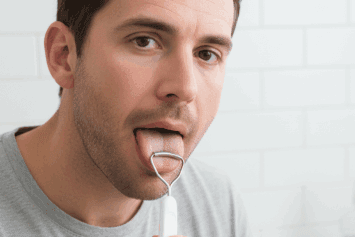
Why You Should Clean Your Tongue Daily
Cleaning your tongue daily is essential for fresh breath, preventing bacteria buildup, and improving your overall oral health. Discover why it matters and how to do it effectively.

How to Whiten Yellow Teeth
Tired of yellow teeth? Discover science-backed ways to whiten your smile naturally, avoid common mistakes, and build a brushing routine that truly makes a difference—with help from BrushO.
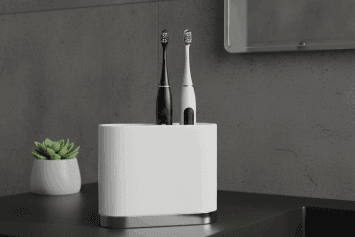
The Hidden Germs on Your Toothbrush Holder
Your toothbrush holder may be dirtier than your toilet seat. Discover what’s lurking on it, how it affects your health, and what you can do to keep your brushing environment truly clean.
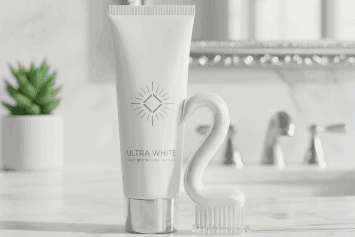
Does Whitening Toothpaste Actually Work?
Does whitening toothpaste actually make your teeth whiter? Discover the truth behind the claims, the science, and whether it’s worth adding to your brushing routine.

Tips to Help Kids Overcome Fear of Brushing
Struggling with a child who fears brushing their teeth? Discover expert-approved tips to help kids overcome dental anxiety and build lifelong healthy habits.

Should You Brush After Vomiting or Wait?
Vomiting can harm your teeth more than you think. Discover whether you should brush right after or wait—and how to protect your enamel after throwing up.

How Smart Toothbrushing Builds Family Habits
Build stronger family routines with smart brushing. Discover how BrushO makes daily toothbrushing easier, more fun, and habit-forming for kids and parents alike.